Latest insights
How to Spot When a Home Safety Assessment Is Needed
September 9, 2026
By team Lenn & Co.
A home safety assessment for an aging parent is a practical review of the home, daily routines, and changing abilities to identify fall risks, hazards, and needed support. It is time to consider one when you notice repeated falls, difficulty managing familiar tasks, new confusion, or a change after illness, hospitalization, or injury.

Why does a home safety assessment matter?
Many families think about safety only after a serious fall. A proactive review can identify smaller problems before they become emergencies, such as a loose rug, a dark hallway, or a frequently used item stored too high.
The goal is not to make your parent feel monitored or restricted. It is to help them remain as independent, comfortable, and confident as possible. A thoughtful assessment considers how the home works for the person living there today—and how it may need to change as needs evolve.
A home safety assessment may review:
- Walkways, stairs, rugs, flooring, and lighting
- Bathroom safety, including grab bars and shower access
- Bedroom and kitchen setup
- Medication, emergency contacts, and communication access
- Daily routines, mobility, and tasks that have become difficult
For families in Williamson County, Tennessee, this can also be a useful starting point for coordinating transportation, errands, home support, or a broader aging-in-place plan. Learn more about Baker Senior Concierge support plans or book a consultation when you are ready to talk through options.
What signs suggest that an aging parent needs a safety assessment?
Some warning signs are obvious. Others are easy to explain away as “just getting older.” Look for patterns rather than waiting for one dramatic event.
1. Falls, near-falls, or unexplained bruises
A fall is an important signal, even if your parent was not seriously hurt. Near-falls matter too. Grabbing furniture, stumbling on stairs, or avoiding certain rooms may indicate that the environment no longer feels secure.
Ask gently what happened and where. Check whether the problem involved footwear, poor lighting, a slippery surface, weakness, dizziness, or difficulty getting up from a chair.
2. Trouble with familiar household tasks
Notice whether your parent is struggling with activities they once handled easily. Examples include:
- Leaving cooking unattended or forgetting appliances
- Difficulty getting in or out of the bathtub
- Carrying laundry safely between rooms
- Repeatedly misplacing keys, bills, or medication
- Avoiding showers, stairs, or going outside
These changes do not automatically mean your parent cannot live independently. They may mean the home setup or routine needs practical adjustments.
3. Changes after illness, injury, or hospitalization
A hospital stay can affect strength, balance, confidence, and endurance. Even a short period of bed rest may make everyday movements harder. Before your parent resumes normal routines, ask whether the home is ready for their current abilities.
A post-hospital review may identify the need for clearer pathways, a temporary sleeping arrangement on one floor, support with meals, or help getting to follow-up appointments.
4. New confusion or difficulty managing the home
Unusual clutter, spoiled food, unpaid bills, or repeated confusion about household systems can signal that additional support is needed. These signs deserve compassion and, when appropriate, discussion with a healthcare professional.
A safety assessment cannot diagnose a medical condition. It can show where the environment and routines may be creating avoidable stress or danger.
5. Your parent has stopped doing things they enjoy
Reduced activity can be a safety concern. If your parent no longer walks to the mailbox, cooks, attends appointments, or welcomes visitors because they are afraid of falling or getting confused, the home may not be supporting their confidence.
The right changes can sometimes restore participation without requiring a major move.
Which parts of the home should be checked first?
Start with the places your parent uses most often. A practical review usually follows their normal path through the day rather than treating every room the same.
Entryways and hallways
Look for dim lighting, uneven thresholds, clutter, loose mats, and furniture that narrows walking space. Confirm that frequently used doors are easy to open and that exterior steps have secure handrails.
Bathroom
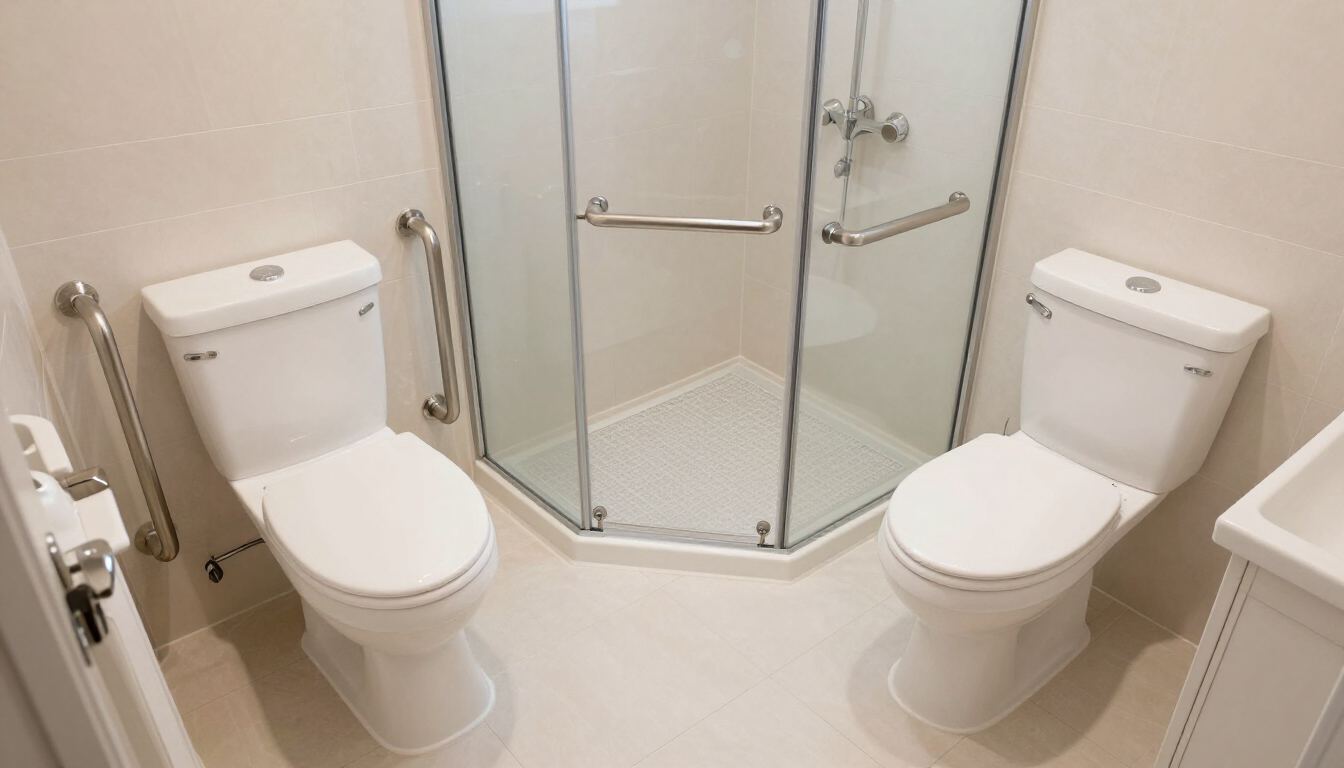
Bathrooms are a common location for slips and falls. Consider whether your parent can safely step into the shower, sit down and stand up, reach toiletries, and dry off without twisting or rushing. Grab bars, non-slip surfaces, improved lighting, and a handheld showerhead may help.
Bedroom
The route from bed to the bathroom should be clear and well lit. Keep a lamp, phone, and needed items within easy reach. The bed height should allow your parent to sit and stand without excessive effort.
Kitchen
Check whether heavy or commonly used items are stored safely. Look for signs of unattended cooking, difficulty reading controls, or challenges carrying hot food. Small changes—such as moving everyday dishes to waist height—can reduce strain.
How do you talk to a parent about home safety?
Lead with respect and partnership. An aging parent may hear “assessment” as criticism or fear that someone is trying to take away their independence.
Try language such as:
- “I want to help make things easier and safer for you.”
- “Could we look at the house together and see if anything could work better?”
- “This is not about taking over. It is about keeping you comfortable at home.”
- “Would you be open to a professional second set of eyes?”
Choose a calm time, not immediately after an argument or accident. Ask what feels difficult from your parent’s perspective. Their priorities may be different from yours: reaching the laundry room, getting into the shower, or feeling confident when alone.
Avoid changing the home secretly. Shared decisions are more likely to be accepted and maintained.
What happens during a professional home safety assessment?
A professional assessment should be practical, respectful, and specific. At Baker Senior Concierge, the process begins with a consultation and home walkthrough, followed by a clear, prioritized safety report.
The review may consider:
- Immediate risks that need attention now
- Improvements that would make daily tasks easier
- Support services that could reduce pressure on the family
- Longer-term changes if mobility, health, or living arrangements change
You should leave with understandable recommendations—not a confusing list of expensive projects. Depending on the situation, next steps may include home safety upgrades, transportation, errands, fitness and nutrition support, technology help, or regular check-ins.
The assessment is also a chance to discuss what happens next. Baker Senior Concierge stays close through visits, check-ins, and a quarterly review so families have a clearer picture over time.
What should you do after the assessment?
Prioritize changes instead of trying to fix everything at once. Begin with hazards that could cause immediate harm, then address comfort, convenience, and future planning.
A useful order is:
- Clear walking paths and improve lighting
- Address bathroom and stair risks
- Move essential items within easy reach
- Create a reliable plan for appointments and errands
- Schedule a follow-up to see what is working
Keep recommendations visible and assign responsibility. If family members live far away or have limited availability, a support plan can provide consistency between visits.
For related guidance and services, explore the service menu , resources , or contact Baker Senior Concierge .
Common questions about home safety assessments
Is a home safety assessment only for people who have fallen?
No. It is useful before a fall, especially when balance, vision, strength, memory, or confidence has changed. Prevention is often easier and less disruptive than responding to an emergency.
Can my parent stay home during the assessment?
Usually, yes. Including your parent helps the reviewer understand real routines and preferences. It also makes recommendations feel collaborative rather than imposed.
Does an assessment mean my parent must move?
No. The purpose is to identify ways to make the current home safer and more workable. A move may be discussed only if the home cannot reasonably meet changing needs.
How often should the home be reviewed?
Review it after a fall, hospitalization, significant health change, or noticeable decline in daily abilities. Even without a major event, a periodic check can keep recommendations current.
The practical next step
A home safety assessment is appropriate when an aging parent has experienced a fall, struggles with familiar tasks, avoids activities, or has returned home after illness or injury. It is also a sensible preventive step when you simply feel that something has changed. Start with a calm conversation, walk through the routines that matter most, and address immediate hazards first. If you need an objective plan, a professional assessment can turn worry into prioritized, manageable actions while supporting your parent’s independence at home.
Other insights
More from Lenn & Co.